
What is PAA?
People Also Ask (PAA) is a Google search feature, a box of questions that people interested in a topic commonly ask.
It is effectively endless. Click one question and four more open beneath it, each related to the one you clicked, so a single search can unfold into hundreds of real questions your audience wants answered.
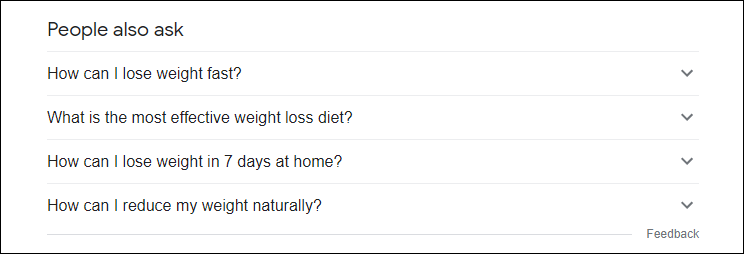
That makes PAA a goldmine for content ideas, because every question is a topic people are already searching for.
This guide shows you how to pull as many PAA questions as possible, find the pages already ranking for them that get the most traffic, and turn that into content ideas that are likely to bring you traffic too.
How to download all PAAs
First, install the SEO Minion extension for Chrome, Firefox or Edge.
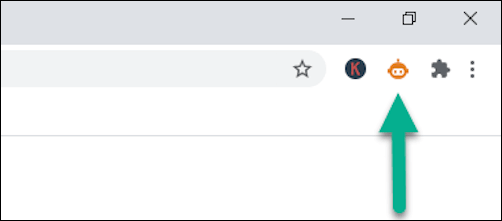
Once installed, you will see its icon in your browser toolbar.
You will need a Keywords Everywhere Silver subscription or higher to use this, since Silver and up include SEO Minion. Add your Keywords Everywhere API key on the SEO Minion settings page so the two work together.
Now run a Google search for your main query. Google shows PAA boxes for most searches.
On the right of the results you will see the SEO Minion SERP widget. It can pull all sorts of data from the page, the PAA questions plus stats on the videos, images, news and map results, here we will use it to collect every PAA question.
Choose "Download" in the first dropdown and "PAA Suggestions (200 clicks)" in the second, then click "Go".
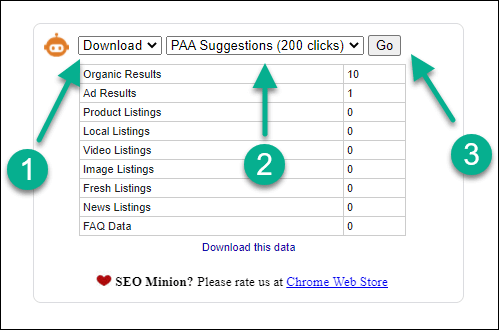
SEO Minion now clicks every available PAA box, up to 200 clicks, which keeps revealing more questions. It takes a few minutes, and you can watch the progress as a percentage.
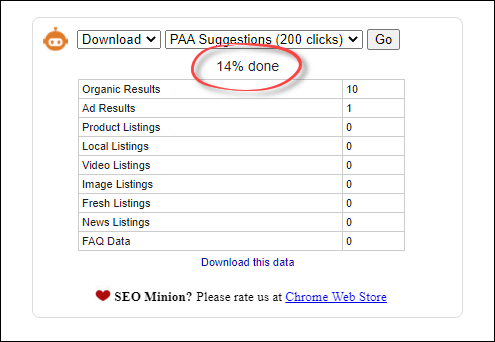
When it finishes, it automatically downloads everything as a CSV file.
Find the URLs ranking for those PAAs
Open the CSV file in Excel, Google Sheets or any spreadsheet program.
(Tip: you can also choose "Copy" instead of "Download" in the first dropdown and paste straight into a spreadsheet.)
The file has four columns:
- PAA Title: the question people also ask.
- Text: the answer snippet Google shows.
- URL: the page Google sourced that snippet from.
- URL Title: the title of that page.
You will usually get around 500 to 600 PAAs for a single keyword.

Filter the URLs by traffic
Now you know which pages rank for these questions. Next, find the ones worth learning from, the pages pulling the most traffic.
Copy the whole URL column. Click the Keywords Everywhere icon and choose Bulk Traffic Metrics (URL) from the popup menu.

A new tab opens. Paste the URLs in and click Get Metrics.

You now see every URL with its monthly traffic and the total number of keywords it ranks for. Click the "Traffic/mo" heading to sort the column, and the strongest pages rise to the top.

Click any URL to see the keywords it ranks for, and check the page itself to understand its topic.

Build a better piece of content around that same topic, optimised for the keywords shown, and you have an article aimed squarely at the questions people are already asking.